

For centuries stucco has been one of the most loved exterior finishes. It's elegant, protective and suits almost any architectural style. Here's what homeowners should know before choosing it.
What is stucco?
Stucco is a cement-based finish applied to the exterior of a home in multiple layers, building up to roughly an inch thick. Traditional stucco is a mix of cement, lime and sand. Newer acrylic, insulated and crack-suppression systems improve on the old limitations. Stucco can go over masonry or wood framing, and its texture can range from sleek to rugged.
Advantages
- Durability. Applied properly, stucco can last for decades with little maintenance.
- Appearance. Finishes run from super smooth to highly textured, in almost any color.
- Fire resistance. Stucco assemblies can achieve a one-hour fire rating, which helps with local fire codes.
- Long-term cost. Low maintenance and a long life make it cost-effective against wood, vinyl and composite siding.
Disadvantages
- Cracks. Hairline cracks are normal in conventional stucco. Newer acrylic and crack-suppression systems greatly reduce them.
- Insulation. Conventional stucco adds little R-value, but insulated systems change that.
- Staining. Water running down stucco stains it, so use gutters and keep sprinklers away.
How stucco is applied
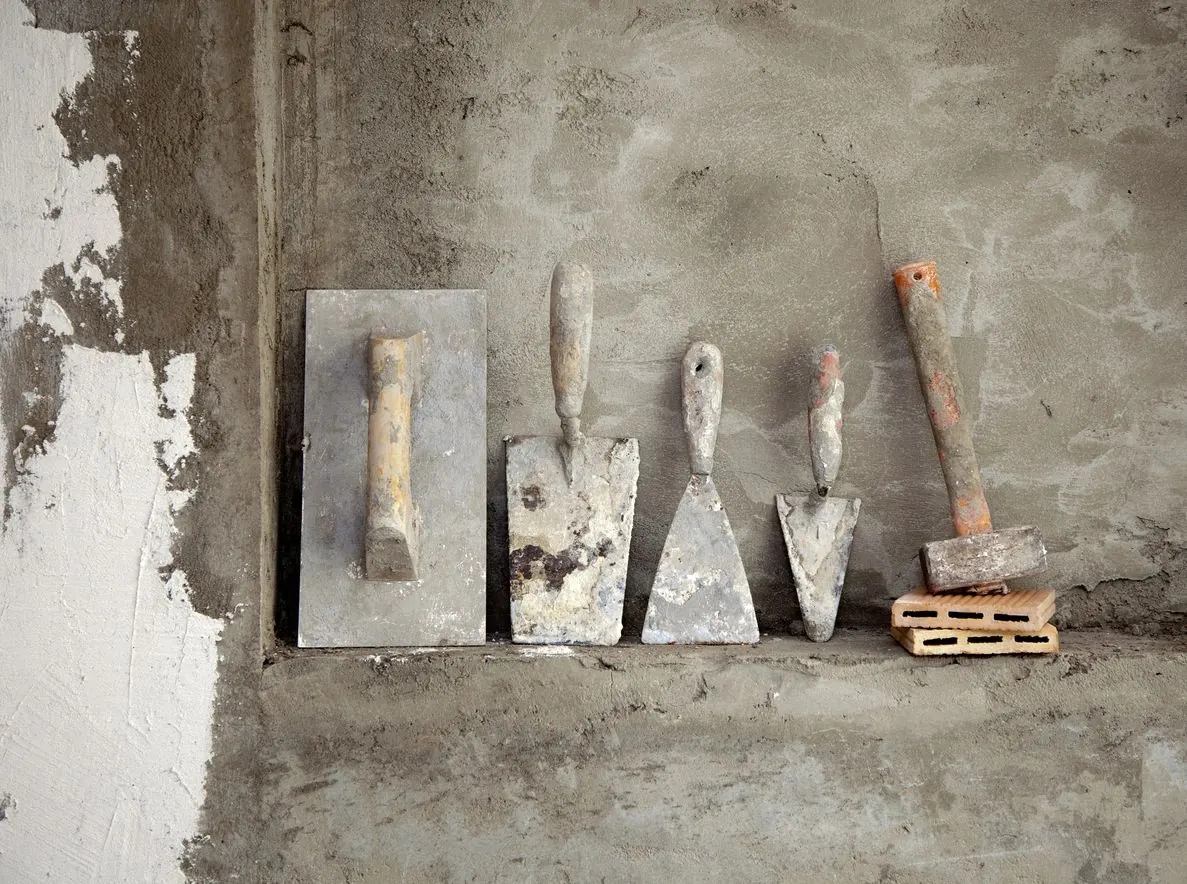
It starts with house wrap or felt paper and metal lath. Craftsmen then apply three coats by hand. The scratch coat grips the lath. The brown coat trues the wall. The finish coat brings the color and texture.
DIY or hire a pro?
Applying stucco well takes skill, specialized tools and a coordinated crew of three or four people. Small mistakes show, and they can let water in. For anything beyond a tiny patch, hire an experienced stucco contractor.
Taking care of stucco
- Inspect annually for cracks and repair them quickly so water can't get behind the finish.
- If it's dirty, rinse with mild pressure. Avoid harsh pressure washing.
- Keep gutters clear and working.
- Trim shrubs away from walls, and don't set water-holding planters against stucco.
- Keep soil below the bottom edge of the stucco, and use drip irrigation near the house.