

Stucco is a favorite finish in sunny Southern California, but it isn't indestructible. Here's what damages it, how to spot the problem, and when to call a professional.
Common causes of stucco damage
Harsh weather
Sudden heavy rain, strong winds and the occasional hailstorm take a toll over time, causing cracks, stains and discoloration.
Earthquakes
Even small tremors put stress on stucco. Seismic movement is a leading cause of visible cracking in California homes.
Poor installation
Badly mixed material, rushed curing and poorly installed lath leave weak spots that crack, crumble and let water in.
Water intrusion
The most costly cause. Water gets in through poor drainage, unsealed windows and doors, or damaged flashing. Once inside it feeds mold and mildew and rots the structure behind the wall.
Types of stucco problems
- Hairline cracks: very thin, usually from settling. Rarely serious.
- Spider cracking: a web of small cracks from poor installation, thermal movement or quakes.
- Pattern cracking: larger, regular cracks that often point to installation or structural issues.
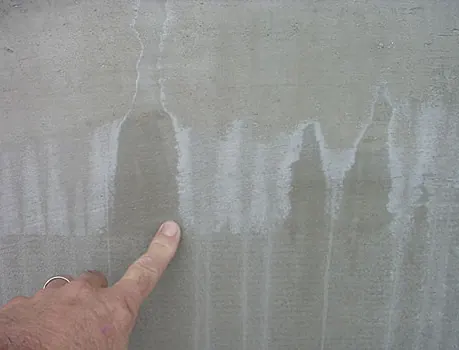
- Staining: minerals leaching through the surface, a sign of water or drainage trouble.
- Efflorescence: white, powdery salt deposits brought out by moisture.
- Mold and mildew: growth from trapped moisture, which can be a health risk.
Repairing stucco
Homeowners can often handle tiny hairline cracks and light stains. For anything larger, or when you don't know the cause, a professional stucco contractor can diagnose the source, fix it and keep it from coming back.
Preventing failures
Seal gaps around windows and doors, inspect and repair flashing, make sure water drains away from the walls, and deal with any sign of intrusion quickly. Quality materials and correct installation prevent most problems before they start.
Noticed cracks, stains or soft spots? Schedule a stucco inspection. Our estimates are free.